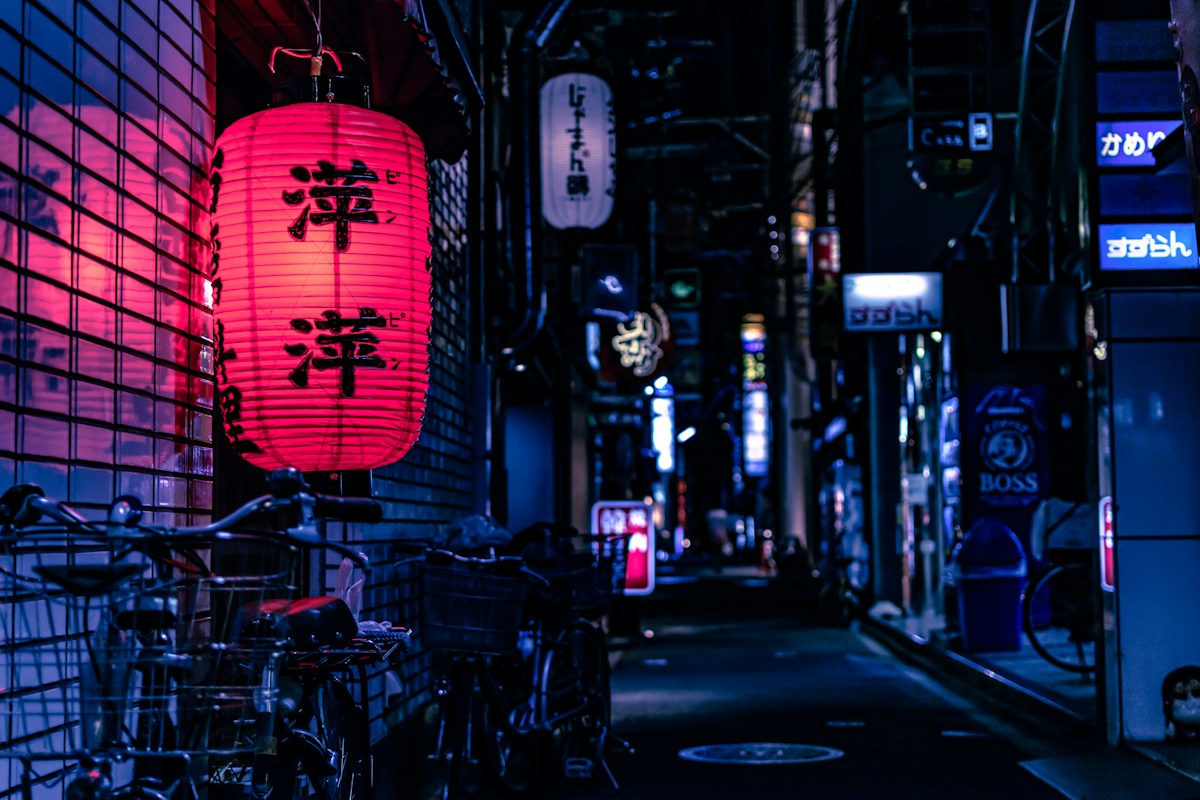
Here’s something that might surprise you: Marie Kondo’s “spark joy” philosophy actually represents just one small slice of Japan’s deep, centuries-old cleaning traditions. While her tidying method has taken the Western world by storm, the real magic of Japanese spring cleaning—called oosouji (大掃除)—involves rituals, spiritual practices, and cultural wisdom that go far deeper than simply folding clothes.
In fact, many Japanese households practice cleaning methods that have nothing to do with minimalism or the KonMari method. Traditional oosouji is less about owning fewer things and more about renewal, respect, and preparing your home and spirit for the season ahead. It’s a practice rooted in Shinto beliefs, seasonal cycles, and the Japanese concept of ma (negative space) that Western audiences rarely hear about.
If you’re genuinely curious about authentic Japanese living practices, you’re about to discover a whole universe of cleaning rituals that connect home maintenance to spirituality, nature, and community in ways that will completely transform how you think about spring cleaning.
Why It Matters
Understanding Japanese spring cleaning rituals goes beyond learning how to organize your closet. These practices offer genuine insights into Japanese philosophy, respect for spaces, and intentional living—concepts that can meaningfully enrich your daily life regardless of where you live.
The reason this matters now is that we’re collectively searching for more meaningful ways to relate to our homes and belongings. We’re looking for practices that feel connected to something larger than ourselves. Japanese oosouji provides exactly that: a framework for cleaning that honors your space, respects seasonal transitions, and acknowledges the spiritual dimensions of domestic life.
Moreover, as you explore these authentic practices, you’ll discover that Japanese people actually reject minimalism at home in many cases. This paradox reveals something crucial: Japanese home practices aren’t about having less, but about having intentionally, with respect and awareness.
The Spiritual Foundation: Understanding Oosouji and Shinto Beliefs
The Ancient Roots of Spring Cleaning in Japan
Japanese spring cleaning isn’t a modern organizing trend—it’s a spiritual practice dating back over a thousand years to Shinto traditions. In Shinto, cleanliness (kiyomei) is fundamentally connected to purity and spiritual well-being. The concept isn’t about aesthetics; it’s about removing spiritual impurities that accumulate over time.
Traditionally, oosouji occurs at specific times: before New Year, at the end of winter, and before the summer rainy season. Each cleaning has a distinct purpose. Spring’s oosouji specifically prepares your home to welcome the energy of renewal and growth that the season brings.
The practice reflects a belief that spaces absorb the energy of those who inhabit them. Thorough cleaning isn’t just removing dust—it’s removing stagnant energy and negativity that has accumulated throughout the winter months. This spiritual dimension explains why Japanese people approach cleaning with such reverence and care.
The Difference Between Oosouji and Western Cleaning
Here’s where Japanese spring cleaning rituals beyond Marie Kondo become distinctly different from what Westerners typically do. While Western spring cleaning focuses on organization and decluttering, traditional oosouji emphasizes:
This fundamental philosophical difference means you could practice authentic Japanese spring cleaning rituals without Marie Kondo’s focus on sparking joy through discarding. Instead, you’re honoring the items you’ve chosen to keep and the spaces they occupy.
Traditional Practices: The Detailed Rituals of Oosouji
High and Hidden Places: Reaching What Others Miss
One distinctive aspect of Japanese oosouji involves meticulous attention to high spaces and hidden areas that accumulate dust and energy throughout the year. Japanese homes specifically focus on:
Upper shelves and ceiling corners – These areas collect not just dust, but what Japanese philosophy considers stagnant energy. Removing this symbolically allows fresh energy to circulate.
Behind furniture and appliances – Japanese cleaning culture doesn’t skip inconvenient spaces. Moving heavy furniture to clean behind it—even though no one will see—is essential to thorough oosouji.
Light fixtures and vents – Every opening in your home is believed to be a pathway for energy. Cleaning these fixtures thoroughly ensures healthy energy flow.
Windowsills and frames – Windows are considered the eyes of your home. Cleaning them thoroughly, both inside and outside, is non-negotiable in traditional practice.
Thresholds and doorways – These boundary spaces receive special attention because they’re where energies transition. The space between rooms is treated as sacred.
The Seasonal Rotation: Knowing What to Clean When
Traditional Japanese households don’t clean everything in spring. Instead, they rotate seasonal cleaning duties based on what needs attention in each season:
Spring focus: Windows, outdoor areas, and upper reaches of the home. This aligns with opening your home to the fresh spring air and light.
Summer focus: Air circulation areas, cooling devices, and water-related spaces to prepare for the heat and humidity.
Autumn focus: Heating systems and warm storage areas as you prepare for winter.
Year-end focus: The most intensive oosouji of the year, often requiring family participation and community helpers.
Understanding this rotation reveals that Japanese spring cleaning isn’t about spring cleaning alone—it’s part of an integrated annual cycle of home maintenance and spiritual renewal.
Materials and Methods: The Traditional Approach
Interestingly, authentic oosouji doesn’t require expensive products. Traditional Japanese cleaning uses remarkably simple materials:
This aligns interestingly with why Japanese people don’t use many modern appliances the way Westerners do—traditional methods often remain preferable because they’re effective, economical, and spiritually aligned with cultural values.
Modern Japanese Spring Cleaning Rituals Beyond Marie Kondo
Community and Family Participation
One aspect of Japanese spring cleaning rituals beyond Marie Kondo that rarely gets discussed is the communal element. Oosouji isn’t primarily a solitary activity—it’s a family and community event.
In traditional contexts, spring cleaning involves:
This communal approach creates bonding, establishes responsibility, and grounds cleaning in social connection rather than individual achievement. It’s fundamentally different from the solo organizing projects popular in Western culture.
The Role of Kichiku (Ritual and Respect)
Japanese spring cleaning rituals incorporate kichiku—ritual and respect—into every action. This means:
Cleaning with intention – Each action is performed mindfully rather than mechanically. You’re not just moving a duster; you’re consciously removing stagnation.
Expressing gratitude – Before and after cleaning, many Japanese people offer thanks to their homes, their items, and the season.
Timing with seasons – Cleaning occurs at specific seasonal moments aligned with natural cycles and the lunar calendar when appropriate.
Using appropriate clothing – Wearing specific clothes for oosouji separates this activity from ordinary cleaning, making it ceremonial.
This ritualistic approach transforms cleaning from a chore into a meaningful practice that reconnects you with your space and yourself.
Addressing “Hidden Filth”: The Fukinoke Concept
A crucial concept in Japanese spring cleaning is fukinoke (吹き溜め)—literally “places where dust accumulates.” But in Japanese cultural understanding, fukinoke refers not just to physical dust, but to stagnant energy and psychological heaviness that collects in certain spaces.
Common fukinoke areas in homes include:
Addressing these spaces with intention—sometimes even with words of release—is part of authentic Japanese spring cleaning. It’s psychologically grounded in the idea that clearing physical spaces helps clear mental and emotional blockages.
Pro Tips
Frequently Asked Questions
How is traditional Japanese spring cleaning different from Marie Kondo’s method?
While Marie Kondo’s KonMari method focuses on decluttering through asking whether items “spark joy,” traditional Japanese oosouji emphasizes thorough purification and renewal of your entire space, with or without reducing possessions. Oosouji is rooted in Shinto spiritual practices and seasonal cycles, while the KonMari method is a modern organizing philosophy. You can practice authentic Japanese spring cleaning rituals without discarding items—the focus is on honoring and renewing your relationship with your space.
When should I do spring cleaning in Japan?
The ideal time for spring oosouji aligns with the end of winter and beginning of spring—typically late February or early March. However, some Japanese households practice lighter versions throughout spring. The most intensive oosouji happens at year’s end in preparation for New Year. The timing connects to seasonal energy shifts rather than calendar convenience.
Can I practice Japanese spring cleaning rituals if I don’t follow Shinto beliefs?
Absolutely. While oosouji originates in Shinto spirituality, you can practice the methods and approach regardless of your personal beliefs. The techniques are effective regardless of your spiritual framework. Many Japanese people today practice oosouji as cultural tradition rather than strict religious observance. Focus on the mindfulness, intentionality, and communal aspects that make these practices meaningful.
Conclusion
Japanese spring cleaning rituals beyond Marie Kondo represent something our modern world desperately needs: practices that connect us to our spaces, our seasons, and each other with intention and respect. These traditions aren’t about owning less or organizing better—they’re about honoring your home as a living entity that deserves care and renewal.
This spring, I invite you to try something different. Instead of another minimalist organizing project, embrace the deeper wisdom of oosouji. Start with one often-overlooked space in your home. Clean it slowly and mindfully, using simple natural materials. Notice how the process feels different when you approach it as renewal rather than decluttering.
As you explore authentic Japanese living practices, you’ll discover that spring in Japan involves much more than cleaning—it’s about preparing yourself spiritually and physically for transformation.
Ready to transform your approach to home maintenance? Consider getting Japanese cleaning cloths and traditional tools on Amazon to start practicing authentic oosouji techniques. These tools connect you directly to centuries of Japanese practice.
The beauty of Japanese spring cleaning rituals lies not in perfection or minimalism, but in presence, gratitude, and the sacred act of honoring the spaces that shelter our lives.